
Water Bottle: How to choose the right water bottle? 🤔Complete guide for an informed choice 🧾
Sports bottle, Motivational bottle, Glass bottle, Plastic bottle
How to choose the right water bottle?
Choosing a water bottle may seem simple, but with the multitude of options available today, it's important to know what you're looking for to make the best choice.
Whether it's for sports, the office, outdoor activities, or simply everyday use, the perfect water bottle can enhance your experience and contribute to a healthier, more eco-friendly lifestyle.
In this article, we will explore in depth how to choose the right water bottle , taking into account various criteria, and we will provide you with practical advice to help you make an informed choice.
The importance of choosing a water bottle that suits your needs
The first aspect to consider when choosing a water bottle is its suitability for your specific needs.
Will you be using your water bottle primarily at the office, for sports activities, or while traveling? There are water bottles to suit every situation.
For example, lightweight and compact water bottles are ideal for hiking and outdoor activities, while thermally insulated water bottles can be perfect for the office or daily commute to keep your drinks at the desired temperature.
An analysis of your personal needs is essential to determine which water bottle will best suit your lifestyle.
Reusable water bottles have become a popular choice not only for their convenience but also for their positive impact on the environment. By choosing a reusable water bottle , you are helping to reduce plastic waste , which is good for the planet.
Additionally, modern water bottles are often made from durable and safe materials, free from harmful substances like BPA. So, by choosing the right water bottle , you're making an eco-friendly move while also taking care of your health.
Water bottle materials: advantages and disadvantages
Choosing the right material for your water bottle is crucial for several reasons, including durability, safety, and functionality. Here's an overview of the main materials used for water bottles and their features:
-
Stainless Steel : Stainless steel water bottles are sturdy, durable, and offer excellent thermal insulation . They are ideal for keeping your drinks hot or cold for extended periods of time. They also don't retain odors or flavors, making them ideal for a variety of everyday use. However, they can be heavier than plastic or aluminum water bottles .
-
Glass : Glass water bottles are prized for their purity and neutrality. They don't contain harmful chemicals and don't retain flavors. They're also easy to clean and are often dishwasher-safe. The main drawback of glass water bottles is their fragility, although some come with silicone sleeves for added protection against shock.
-
BPA-free plastic : BPA-free plastic water bottles are lightweight, affordable, and available in a wide variety of styles and colors. They're perfect for everyday use and often come with convenient features like easy-open caps. However, they can retain odors and flavors over time, and their durability is generally less than stainless steel or glass water bottles .
-
Aluminum : Aluminum water bottles are lightweight and generally more affordable than stainless steel ones. They provide good thermal insulation thanks to their internal lining. However, they can dent more easily and their durability is generally less compared to stainless steel water bottles .
-
Silicone : Silicone water bottles are flexible and collapsible, making them extremely convenient for travel and outdoor activities where space is limited. They are lightweight and easy to carry, but may not provide the same thermal insulation as stainless steel or aluminum water bottles .
The capacity and portability of the water bottle
Another essential factor to consider is the capacity of the water bottle . It should be suitable for your daily hydration needs.
Common capacities range from 250 ml to over 1 liter. For everyday use at the office or school, a 500 ml to 750 ml bottle may be sufficient.
For sports activities or long hikes, a larger capacity water bottle may be more appropriate to ensure adequate hydration throughout the day.
Portability is also an important aspect, especially if you plan to carry your water bottle in a backpack, purse, or pocket.
Lightweight and compact water bottles are ideal for frequent travel, while water bottles with built-in handles or carrying straps can offer added convenience.
Collapsible water bottles are a great option for those who need maximum flexibility and space savings.
Additional features to consider
Today, many water bottles come with additional features that can enhance your hydration experience. Here are some of the most popular features to look for:
-
Thermal insulation : Insulated water bottles , often made of stainless steel , have a double wall to keep your drinks hot or cold for several hours. They are ideal for daily commutes, workdays and outdoor outings.
-
Built-in filters : Water bottles with built-in filters are perfect for those who want to ensure the purity of their water, especially when traveling or in areas where water quality may be questionable. These filters can remove impurities and improve the taste of the water.
-
Ergonomic caps : Easy-open caps, sports caps with straw attachments, and airtight caps are all options that can make using your water bottle more convenient and enjoyable. Make sure you choose a cap that fits your preferences and lifestyle.
-
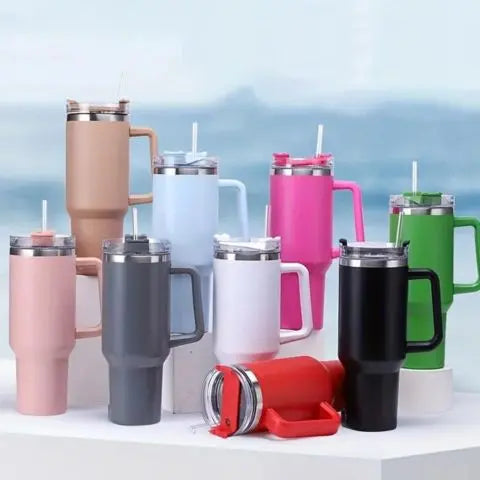
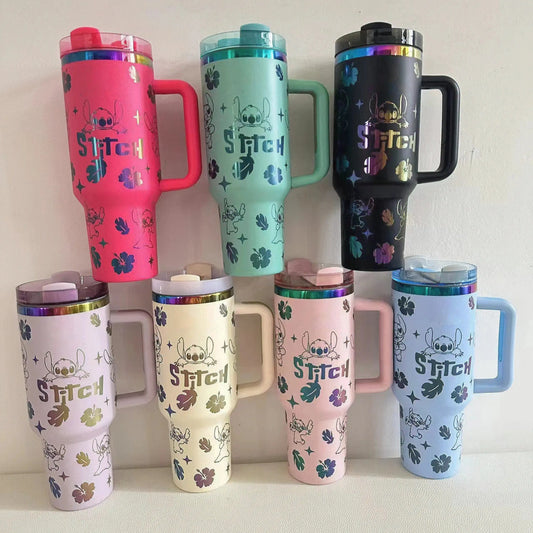
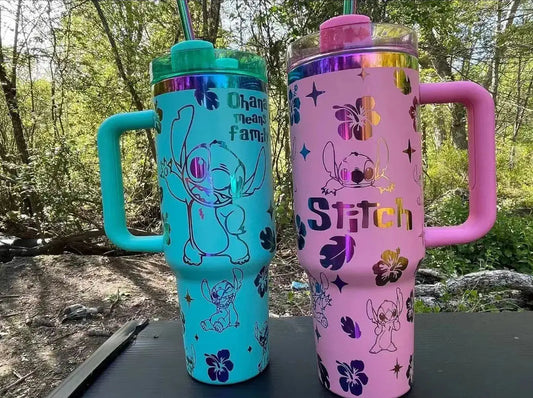
Customizable Design : Some brands offer customizable water bottles with engraving options, various colors, and unique designs. This can make your water bottle not only functional but also aesthetically pleasing and reflective of your personality.
The importance of maintenance and cleaning
To ensure the longevity of your water bottle and maintain optimal hygiene, it is crucial to properly maintain and clean your water bottle regularly.
Most modern water bottles are designed to be easy to clean, but it's always a good idea to check the manufacturer's specific instructions. Here are some general tips for caring for your water bottle :
-
Daily cleaning : Rinse your water bottle with hot water after each use, especially if you've used it with beverages other than water. This helps prevent residue and bacteria buildup.
-
Deep cleaning : Once a week, clean your water bottle with soapy water and a bottle brush to reach every corner. For stainless steel or glass water bottles , you can use white vinegar or baking soda to remove odors and stubborn stains.
-
Checking the seals : Make sure the seals and plugs are clean and in good condition to ensure a perfect seal. Replace them if necessary to prevent leaks.
-
Dishwasher safe : Some water bottles are dishwasher safe, which can make them easier to clean. However, always check the manufacturer's recommendations to avoid damaging your water bottle .
Conclusion: Making the right choice for a lasting impact
In conclusion, choosing the right water bottle requires taking into account several important criteria: suitability for your needs, material, capacity, portability, additional features and maintenance.
By making an informed choice, you can not only improve your daily hydration experience but also contribute to a more sustainable and environmentally friendly lifestyle.
Reusable water bottles offer an eco-friendly alternative to single-use plastic bottles , reducing plastic waste and helping to preserve our planet.
Whether you choose a stainless steel , glass , BPA-free plastic , or collapsible water bottle, the important thing is to choose a water bottle that meets your specific needs and preferences.
By adopting a reusable water bottle , you are taking an important step towards a healthier and more ecological lifestyle.